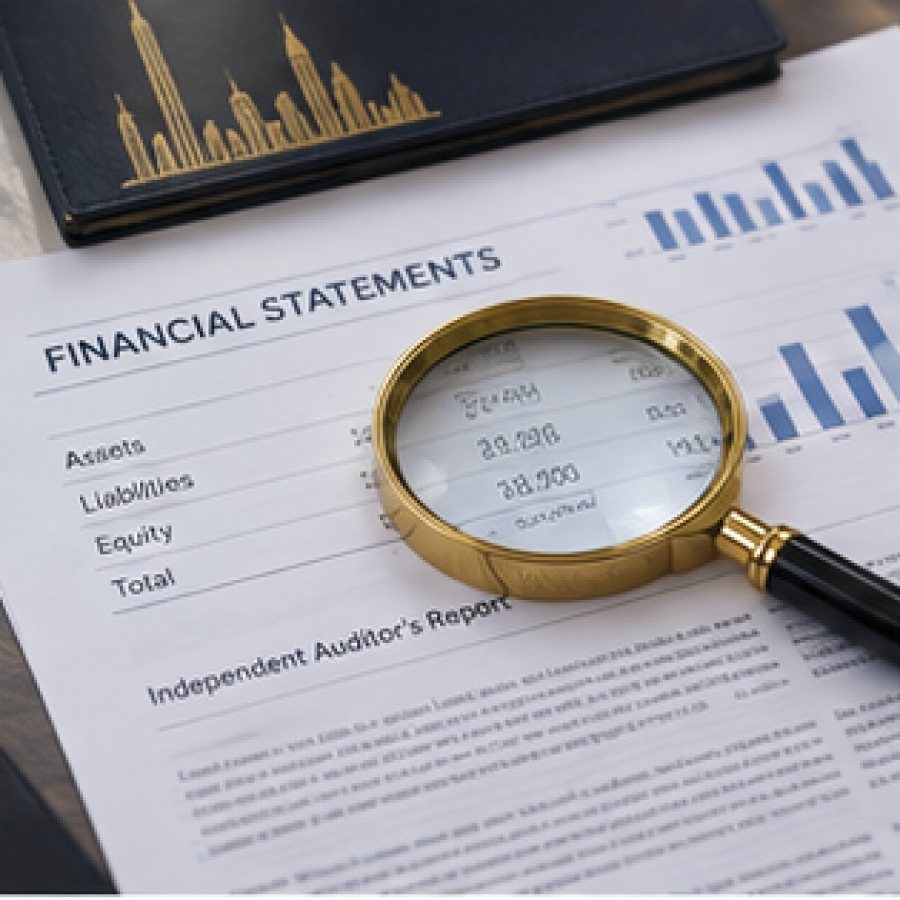

Reliable tax returns depend on records that explain the numbers. The Federal Tax Authority says Taxable Persons and Exempt Persons must retain relevant records and documents for at least seven years following the end of the Tax Period to which they relate.
A useful Corporate Tax file
- General ledger, trial balance and financial statements.
- Sales invoices, contracts, credit notes and evidence of revenue recognition.
- Supplier invoices, expense claims, payment records and business-purpose explanations.
- Bank statements, loan schedules, fixed-asset registers and depreciation workings.
- Related-party agreements, pricing support and any required disclosures.
- Tax-return computations, elections, relief claims and correspondence with the FTA.
Make retrieval simple
Use a consistent folder structure by entity, tax period and document type. Keep a cross-reference from each tax-return figure to the ledger and source documents. Restrict editing access, back up the records and preserve an audit trail for adjustments. Where the business operates across branches or systems, document how source data is consolidated.
This article focuses on Corporate Tax retention. VAT and other rules can have separate record requirements, so do not assume one retention period covers every tax. Check the law and FTA guidance applicable to each record set.
Source: FTA guidance on retaining Corporate Tax records.
Need support with your business? A2XL helps UAE organisations with accounting and bookkeeping and practical financial processes.